2026-09-19 · Dale Mercer
How Often Should You Flush a Water Heater
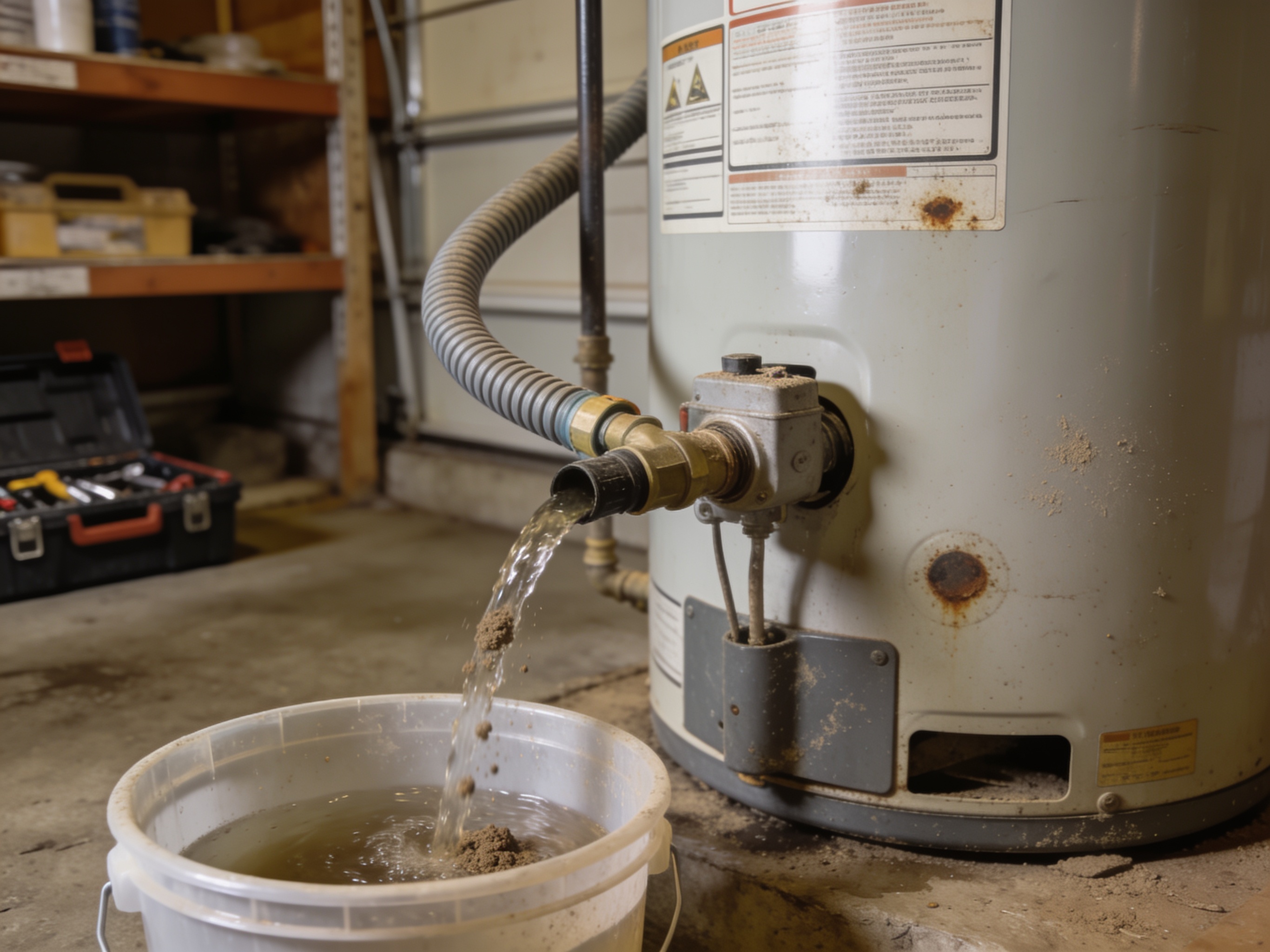
In Johnstown, Colorado, flush a standard tank water heater every 6 to 12 months. This interval accounts for the semi-arid climate with hot summers that increase evaporation and concentrate minerals in the supply. Homes in Downtown Johnstown and nearby Milliken often see faster sediment accumulation because of local groundwater characteristics.
Why Flushing Frequency Varies by Location
Johnstown sits in Weld County where water carries higher mineral content than many Front Range areas. Hot summers accelerate scale formation inside tanks, especially in 40-gallon and 50-gallon units common in single-family homes near Johnstown Community Park. Residents in neighborhoods like Pioneer Ridge or Thompson River Ranch report earlier sediment problems when units sit unused during peak heat. Skipping flushes allows layers to harden, reducing efficiency and raising energy costs. St. Vrain State Park visitors sometimes notice similar patterns in vacation properties that sit idle for weeks. Consistent flushing removes these deposits before they reach the heating element or burner.
Recommended Schedule for Johnstown Homes
Plan the first flush six months after installation for new units serving Downtown Johnstown households. After that, repeat every 6 to 12 months unless water tests show unusually high hardness. Electric models in Loveland or Milliken homes may need the shorter end of the range because lower temperatures allow more settling. Gas units near Carlson Farms benefit from annual flushing before winter demand spikes. Track the date on a calendar and combine the task with other seasonal checks around the property. If your home draws from older municipal lines, consider the 6-month mark even for newer tanks.
Signs Sediment Has Built Up
Reduced hot water volume or lukewarm output often signals sediment blocking the dip tube. Rumbling or popping sounds during heating cycles indicate trapped particles vibrating against the tank bottom. Discolored water at faucets in Rolling Hills Ranch or Mead properties frequently traces back to the same issue. These symptoms appear earlier in areas with high summer evaporation rates. Check the Water Heater Sediment Buildup guide for photos of typical Johnstown sediment samples. Persistent problems may also point to failing components covered in the Signs Your Water Heater Is Failing article.
How to Flush Correctly
Turn off power or gas and let the tank cool before starting. Connect a hose to the drain valve and run it to a safe outdoor location or floor drain. Open a hot faucet upstairs to allow air in, then open the drain valve slowly. Flush until the water runs clear, which usually takes 10 to 20 minutes for a 50-gallon tank. Close the valve, refill the tank, and restore power only after it is full. Homeowners in Greeley or Windsor sometimes repeat the process twice if initial water stays cloudy.
Maintenance Options in Weld County
Many Johnstown residents schedule professional flushing through the Water Heater Maintenance & Flushing service when tanks are difficult to access or when sediment has hardened. Technicians at 467 Expedition Ln handle both gas and electric models common throughout the county. This approach works well for rental properties or homes near Loveland where owners prefer documented service records. Regular flushing extends tank life and maintains steady hot water delivery during Weld County winters.